The Project Story
The Challenge
The business went through an operational transition which led to downsizing in manual fulfillment staff. This threatened immediate bottlenecks for their high-volume order pipeline, as order details had to be manually processed from checkout to multiple vendor APIs. At peak times, delay in orders created customer support backlogs.
The Solution
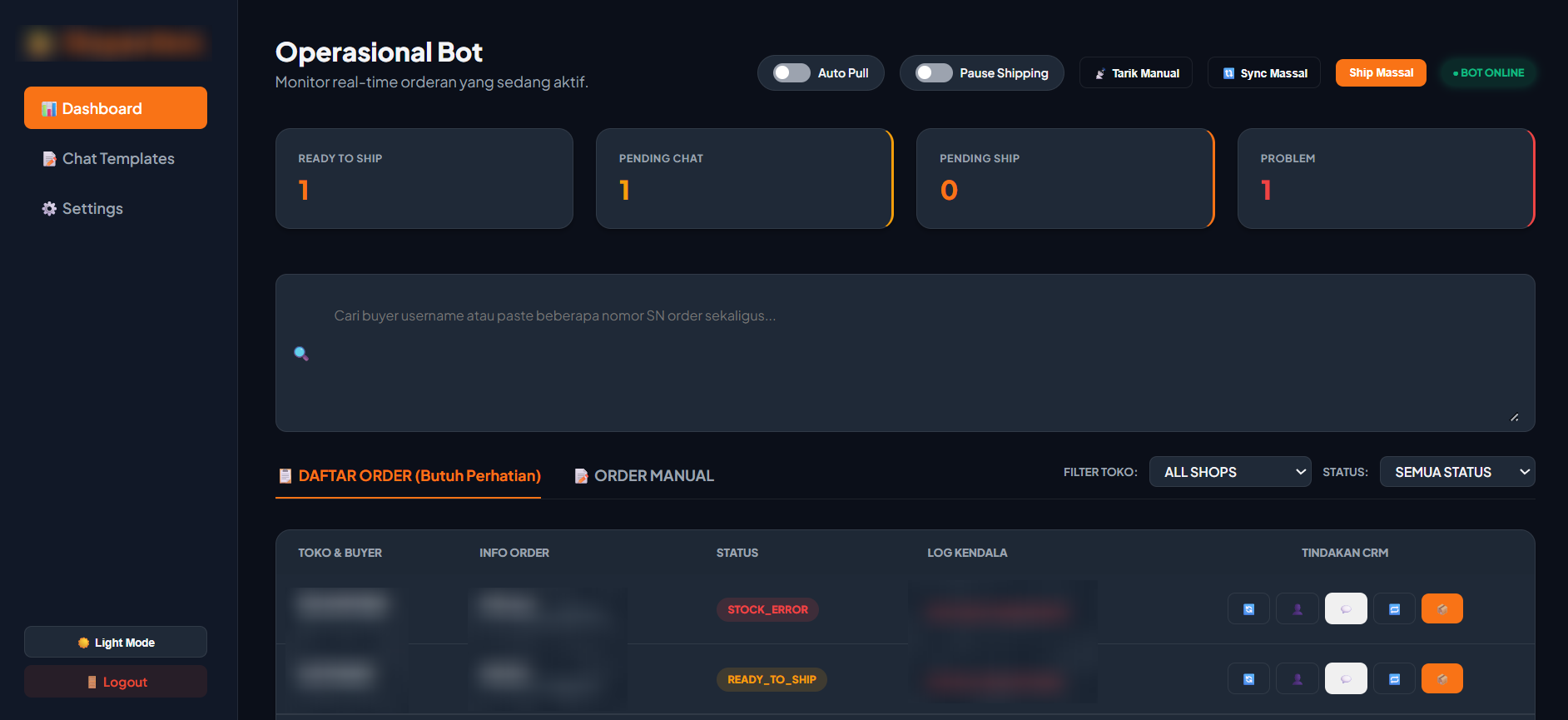
I designed and built an event-driven queue processing pipeline. The system intercepts order hooks, cleanses and normalizes the payload, buffers the jobs in a central database queue, and systematically dispatches them to fulfillment APIs. A custom web control panel was also built to allow operations managers to monitor the queue, manually retry failed dispatches, and review logs.
The Business Impact
The engine automatically processed over 40,000 transactions in its first year without missing a single order. Manual operations workload was reduced by 75%, allowing a lean team of just 2-6 staff members per shift to manage operations that previously required a much larger fulfillment team.
System & Interface Showcase
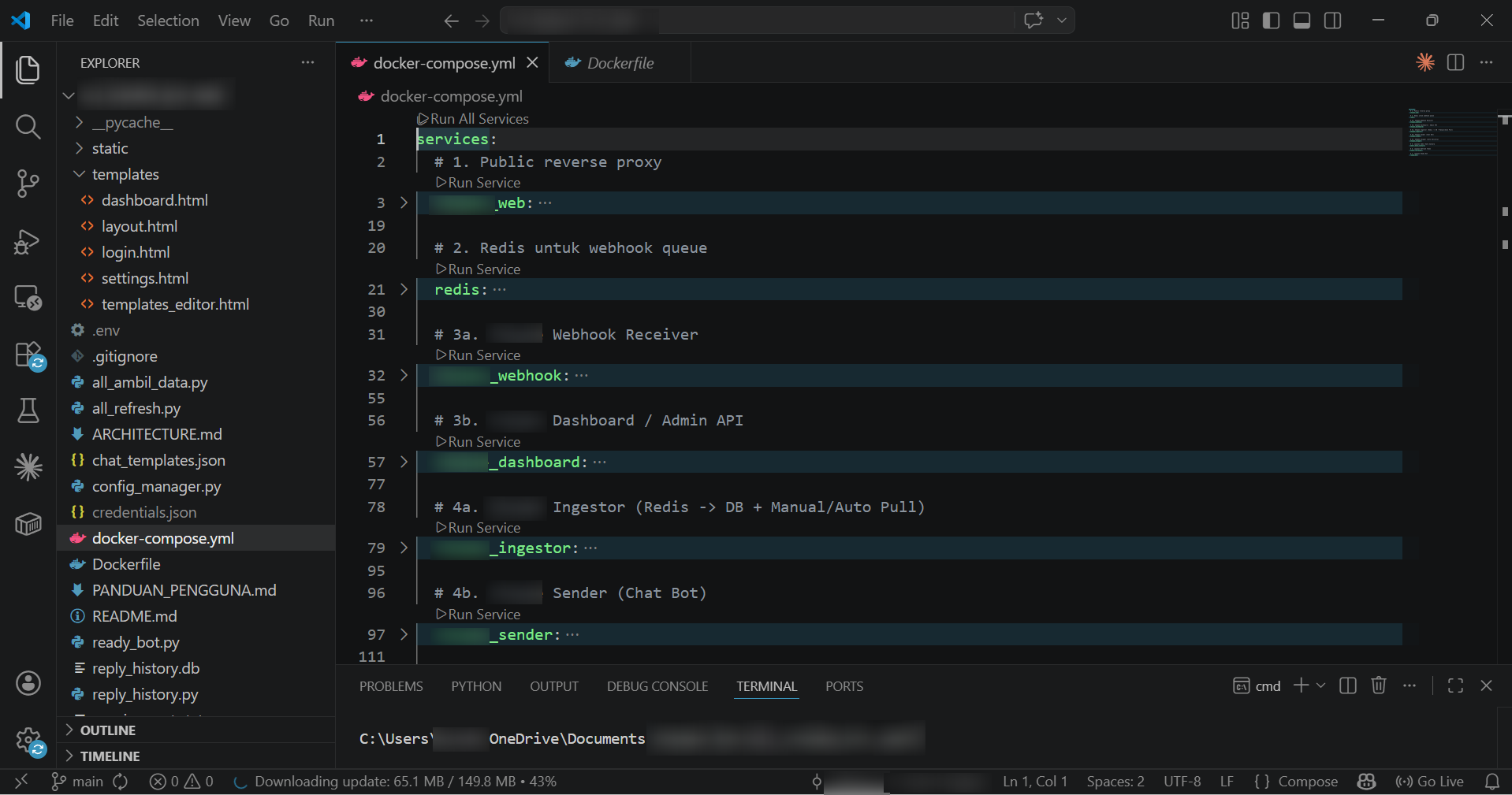
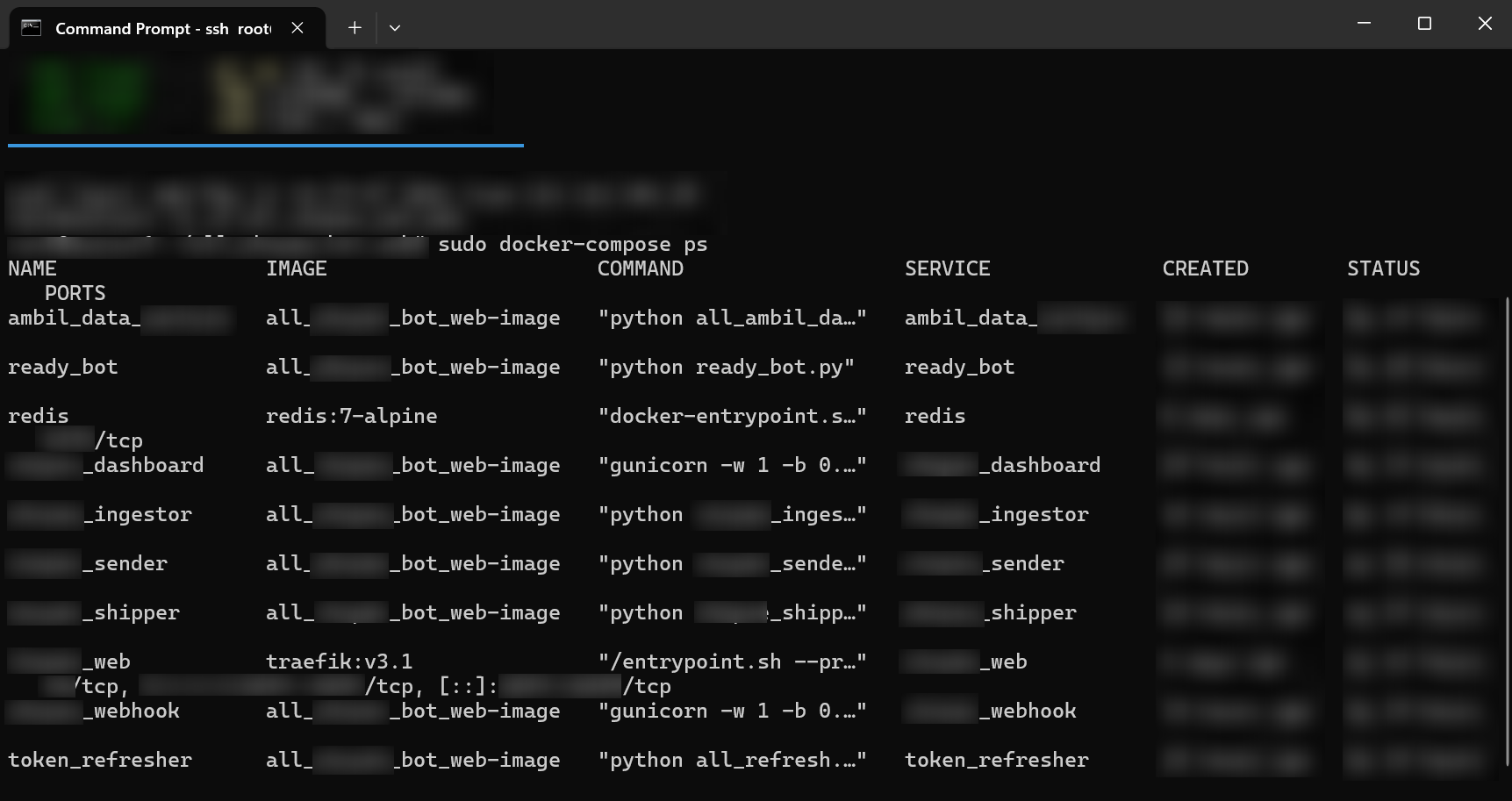
Screenshots of the active custom web control panel monitoring dashboard and the containerized microservice execution logs.
1. Custom Operations Control Panel Dashboard
2. Event Ingestion Pipeline & Webhook Processor
3. Distributed System (Docker Container Stack)
Architecture Overview
A distributed, event-driven automation system designed to handle high-volume transaction and event pipelines.
- Incoming orders are received via webhooks from marketplaces.
- A centralized queue distributes tasks to multiple processing services.
- Each service processes tasks independently (ingest → validate → sync).
- Supabase acts as the single source of truth for execution state and logs
- A web-based control panel provides real-time monitoring, manual override, and process management
- Retry and fallback mechanisms ensure reliability under high load
System Diagram
                [ Marketplaces ]
                (Order Webhooks)
                       │
                       ▼
              [ Webhook Gateway ]
                       │
                       ▼
                   [ Redis ]
             (Event Buffer & Queue)
                       │
                       ▼
             [ Ingestor Service ]
             (Data Ingestion API)
                       │
                       ▼
                 [ Supabase DB ]
           (Centralized State & Logs)
                       │
        ┌──────────────┼────────────────┐
        ▼              ▼                ▼
  [ Operations ] [ Integrations ] [ AI Assistant ]
     Service        Service          Service
        │              │                │
        ▼              ▼                ▼
  [ Target API ][ Database Sync ] [ Auto Reply ]
        │
        ▼
  [ Client / User ]
Production Infrastructure
Designed not just as an automation system, but as a production-grade, self-hosted infrastructure capable of running continuously with minimal supervision.
- A distributed system running in multi-Docker containers (consisting of webhook-driven entrypoints and background workers) deployed across VPS environments.
- Self-hosted infrastructure for full control, scalability, and cost efficiency.
- Integrated internal tools (e.g. voucher redemption system) connected to fulfillment workflows.
- Real-time monitoring and error tracking via Sentry.
- Uptime and service health monitoring using UptimeRobot.
- Secure tunneling and domain management via Cloudflare.
- Retry, logging, and failure handling across all services to ensure system reliability.